WORLD CUP 26 - POST PRODUCTION HUB WEEK 2

When Gordon Ramsay Walks Into the Scotland Camp, You Have Less Than 24 Hours.
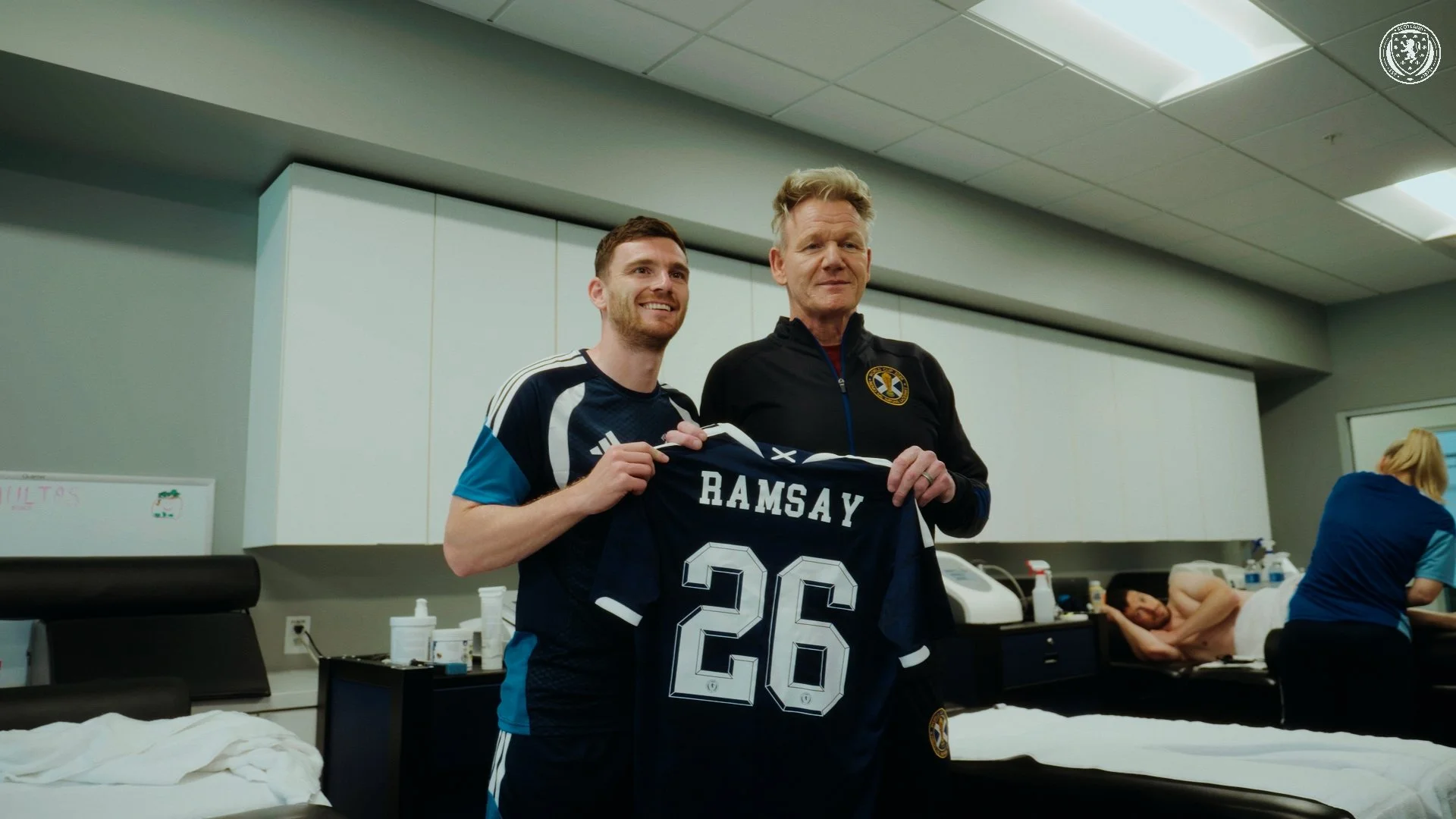
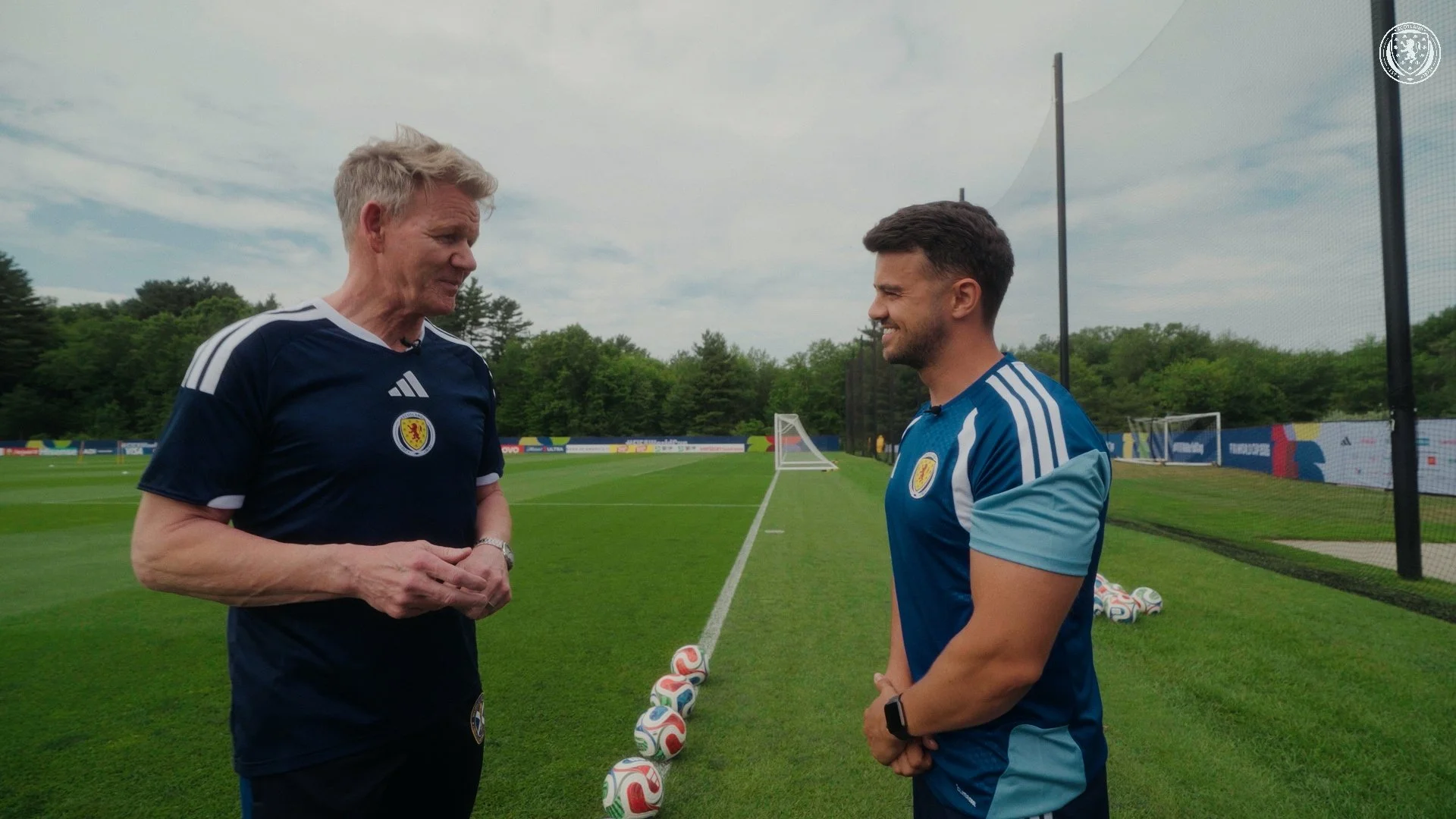
On FRIDAY 13th June, Gordon Ramsay arrived at the Scotland training camp in Charlotte, North Carolina. The squad was 36 hours away from their opening World Cup fixture against Haiti. The Tartan Army was watching everything. Monumont Studios, operating a remote post-production hub from Scotland, had a very small window to turn that visit into something worth watching before the game made it irrelevant.
That's the reality of content production at a major tournament. Moments have a shelf life measured in hours, not days. Miss the window and the story is gone — swallowed by the result, the reaction, and whatever comes next. Hit it and you give supporters something that adds to the experience of the biggest moment in Scottish football in a generation.
We hit it.
The Setup
Week Two of Monumont's post-production hub for the Scotland National Team ran from monday 7th June through to match day on Saturday 14th June. The squad was camped in Charlotte throughout, travelling to Boston for the Haiti game before returning after full time.
Our team, however, was not in Charlotte. We were not embedded at the training ground or travelling on the team bus. The Monumont hub is operating remotely from Scotland — receiving footage digitally from inside the camp each day and delivering finished content the same day it lands.
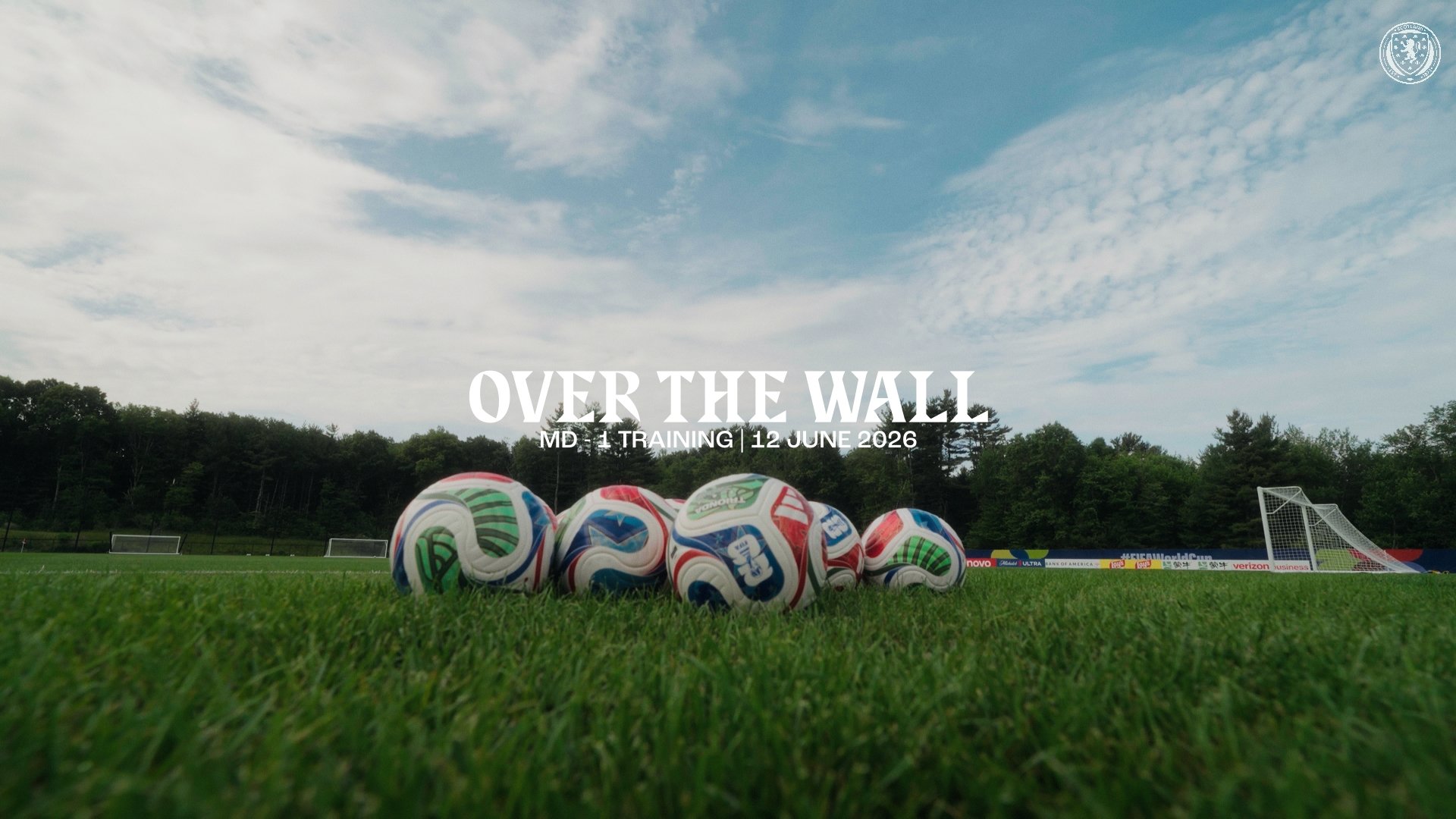
Three series running concurrently. The EE Daily Roundup, presented by Gordon Duncan, going out every single day. Over The Wall, the long-form YouTube series giving supporters the texture and detail that short-form content can't carry And the Embedded documentary strand, capturing the deeper story of Scotland's campaign as it unfolds.
All of it cut, finished and delivered from Scotland, thousands of miles from where the footage is being shot.

The Ramsay Problem
When Gordon Ramsay visits a World Cup training camp two days before a nation's opening fixture, it is a story. It is shareable, it is warm, and it cuts through the noise of a tournament that has every major broadcaster and publisher fighting for the same audience.
But it is only a story for a matter of hours.
Once Scotland kicked off against Haiti on Saturday evening, the Ramsay visit became historical context at best. The audience moved on. The moment passed. For the content to land with any impact, it needed to be planned, cut and published before the game — which meant our team in Scotland had less than 24 hours from receiving the footage to getting the episode live.
The visit formed the centrepiece of the latest Over The Wall episode — a ten-minute YouTube film that also took in Steve Clarke's pre-match press conference and a full training session in the build-up to the game. Ramsay's arrival gave the episode a hook that cut through. The press conference and training footage gave it weight and context. Together, they made something that felt like a genuine document of the 48 hours before Scotland's most important match in nearly three decades.
The episode was turned around in under 24 hours. Footage in from Charlotte. Cut in Scotland. Live before kick-off.
Why the Remote Model Works
Operating remotely at a tournament of this scale is not the obvious choice. The instinct is to be on the ground — close to the access, close to the action, close to the decisions about what gets shot.
But the Monumont model is built around a different logic. The value we add is not in being physically present. It is in what happens to the footage once it arrives. The editorial judgement, the cutting, the format discipline across three very different series — that work happens in the edit suite, not at the training ground.
Running the hub remotely from Scotland means our team can focus entirely on production output without the logistical complexity of being embedded in a tournament environment thousands of miles from home. Footage comes in. Content goes out. The operation runs cleanly, consistently, and at pace.
The Ramsay episode is the clearest illustration of what that model can do under pressure. A celebrity visit to a training camp is a gift of a content moment — but only if you can execute quickly enough to use it. Recognising the shelf life of that moment, planning the cut around it, and delivering the finished episode before it expired required exactly the kind of focused, fast-turnaround editorial operation that the remote hub is designed to produce.
Then Saturday Came
Haiti 0-1 Scotland. John McGinn. 28th minute.
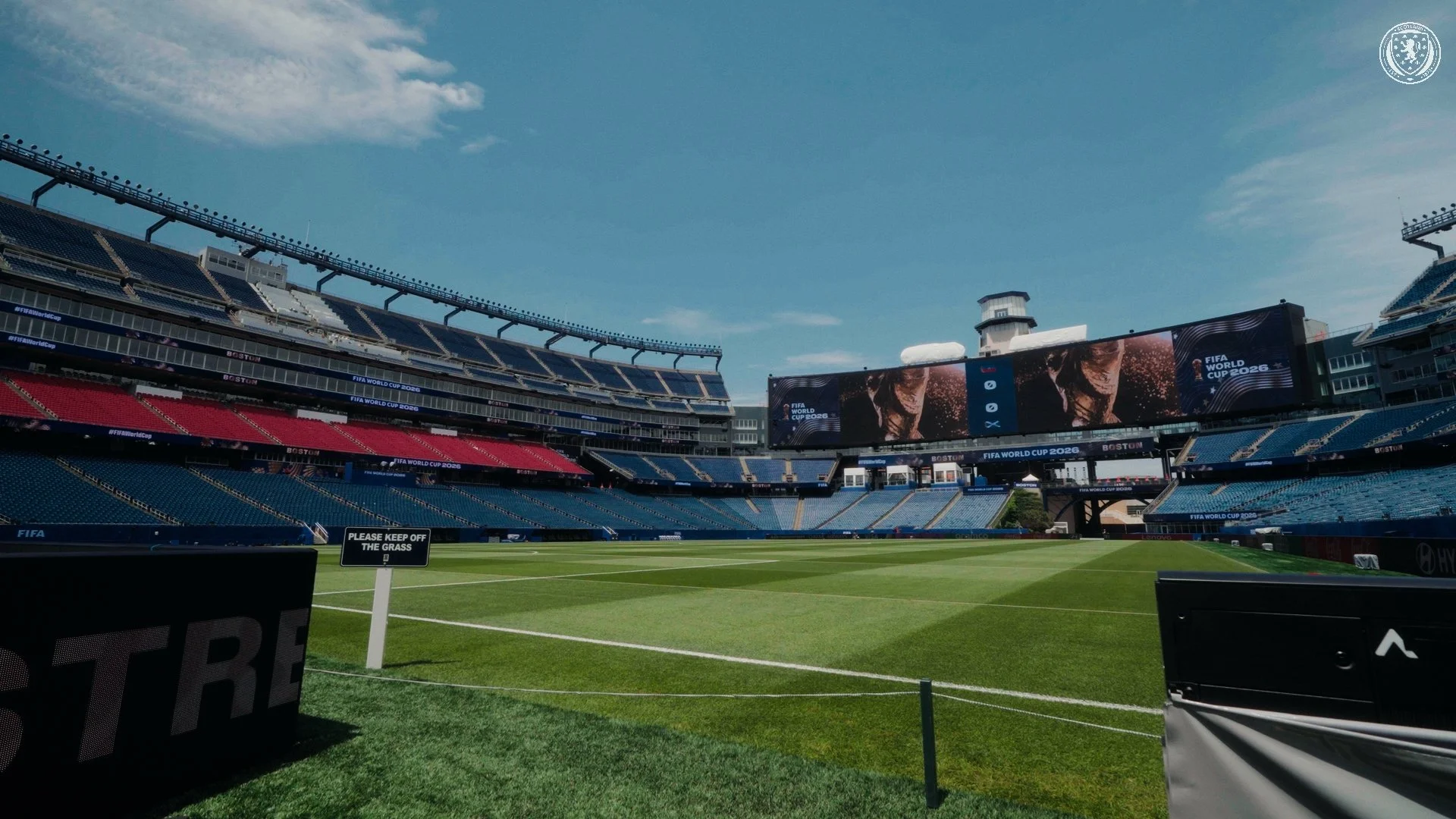
A deflected finish that sent Gillette Stadium into scenes Scottish football supporters hadn't witnessed at a World Cup since Italia 90. Scotland's first World Cup win since 1990. Top of Group C.
The Daily Roundup went out as it has every day throughout the tournament. The hub kept running. Morocco is next on June 19th. Then Brazil.
Every piece of content we produce between now and the end of Scotland's campaign exists inside that same logic — a small window, a fixed deadline, and a team in Scotland making sure nothing gets missed.
Why This Work Suits Monumont
Fast turnaround is easy to claim. Sustaining it across multiple formats, day after day, for the duration of a major international tournament is something else entirely.
The remote post-production model Monumont is running for the Scotland National Team is not just a logistical solution — it is a demonstration of what a focused, editorially sharp production operation can deliver when the brief demands consistency as much as it demands speed.
Three series. Three tones. Three audience behaviours. One hub, running every day from Scotland, thousands of miles from where the story is happening.
If your organisation needs a production partner who can operate at this pace and at this level — we'd love to talk.
Come on Scotland. 🏴