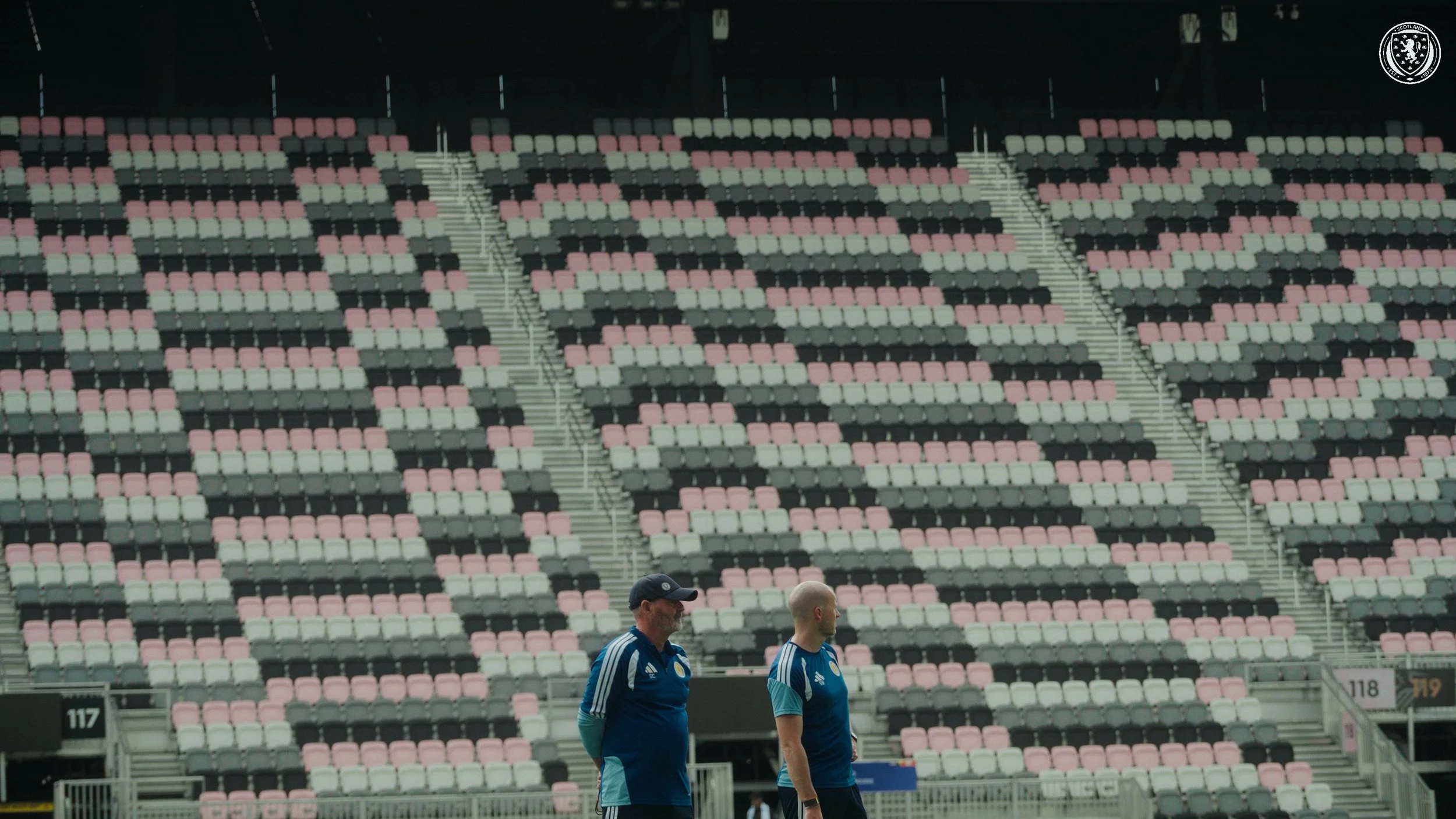
Scotland National Team Post-Production Hub — The Full Campaign
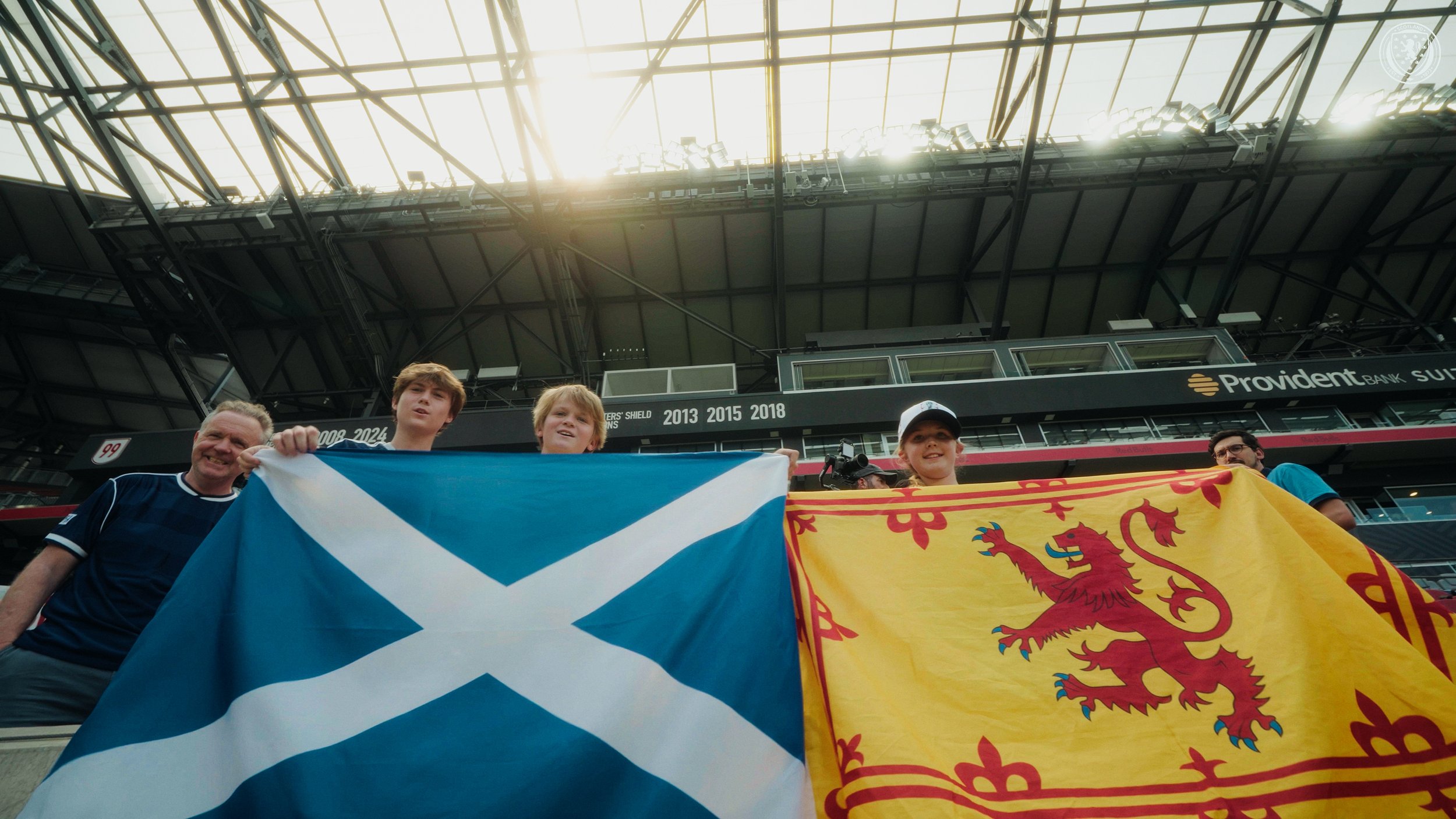
Three Weeks. Three Group Games. One Remote Hub. And an Experience We'll Never Forget.
There are jobs you do and there are jobs that stay with you. This one stays with you.
When Scotland qualified for the 2026 FIFA World Cup — their first tournament in 28 years — the whole country changed. You could feel it. In the pubs, in the conversations, in the way people who hadn't talked about football in years were suddenly talking about nothing else. The Tartan Army, a support that has endured more heartbreak than most, allowed themselves to dream again. And for three weeks in North America, that dream was alive.
Monumont Studios was privileged to be inside it. Not in the stands. Not watching from home like the rest of Scotland. Inside the operation — producing the content that brought supporters closer to their team every single day of the campaign. It was the greatest honour this company has had since we started, and everyone involved knew it from day one.
Here is what we built, and what it meant to be part of it.
The Brief
Scotland's qualification set the Scottish FA a content challenge that matched the scale of the occasion. A major tournament. Three group games across three weeks in North America. Supporters hungry for access and insight into a squad they hadn't been able to follow at a World Cup since France 98. A daily content operation that needed to run without interruption for the full duration of the campaign.
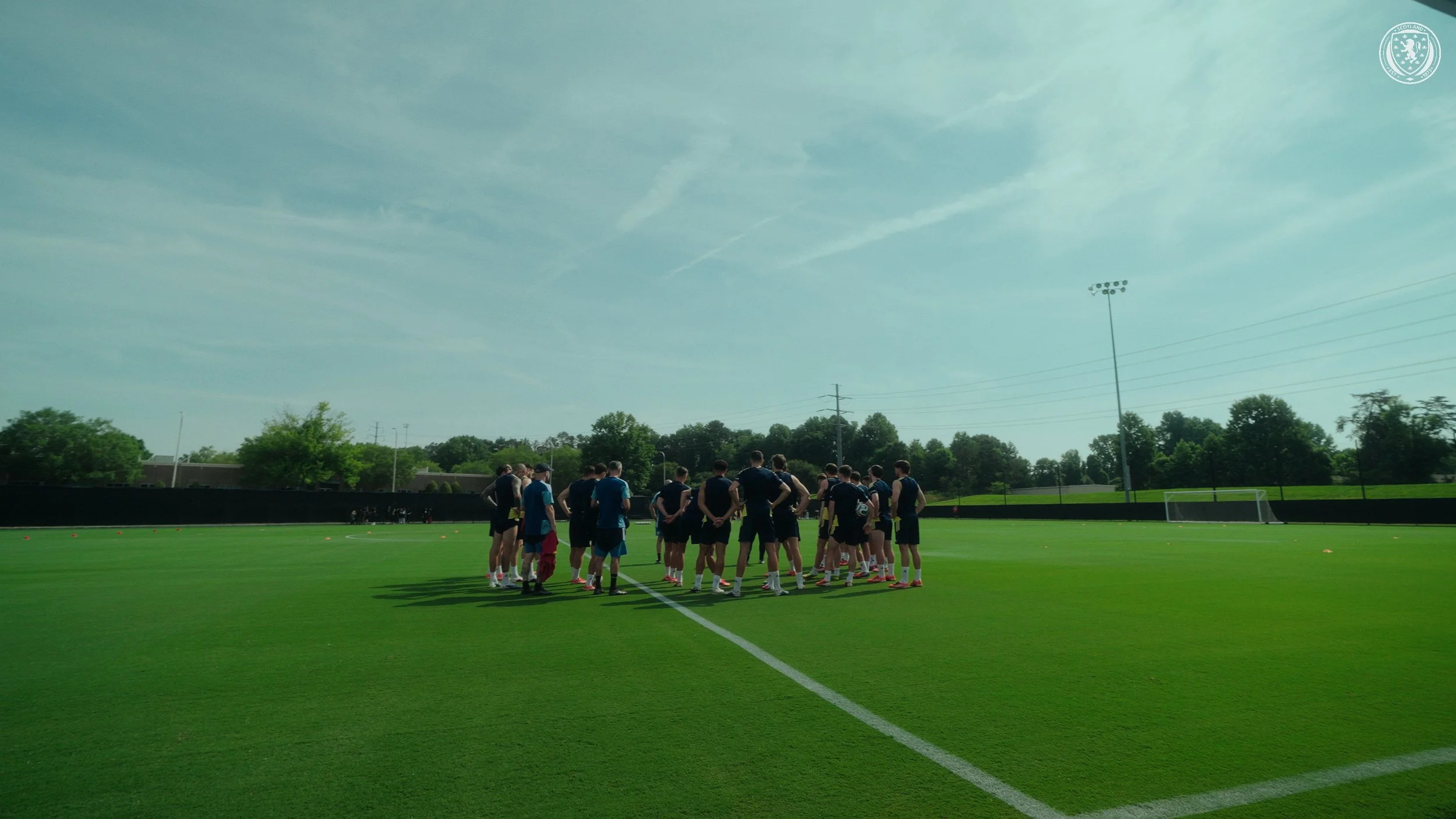
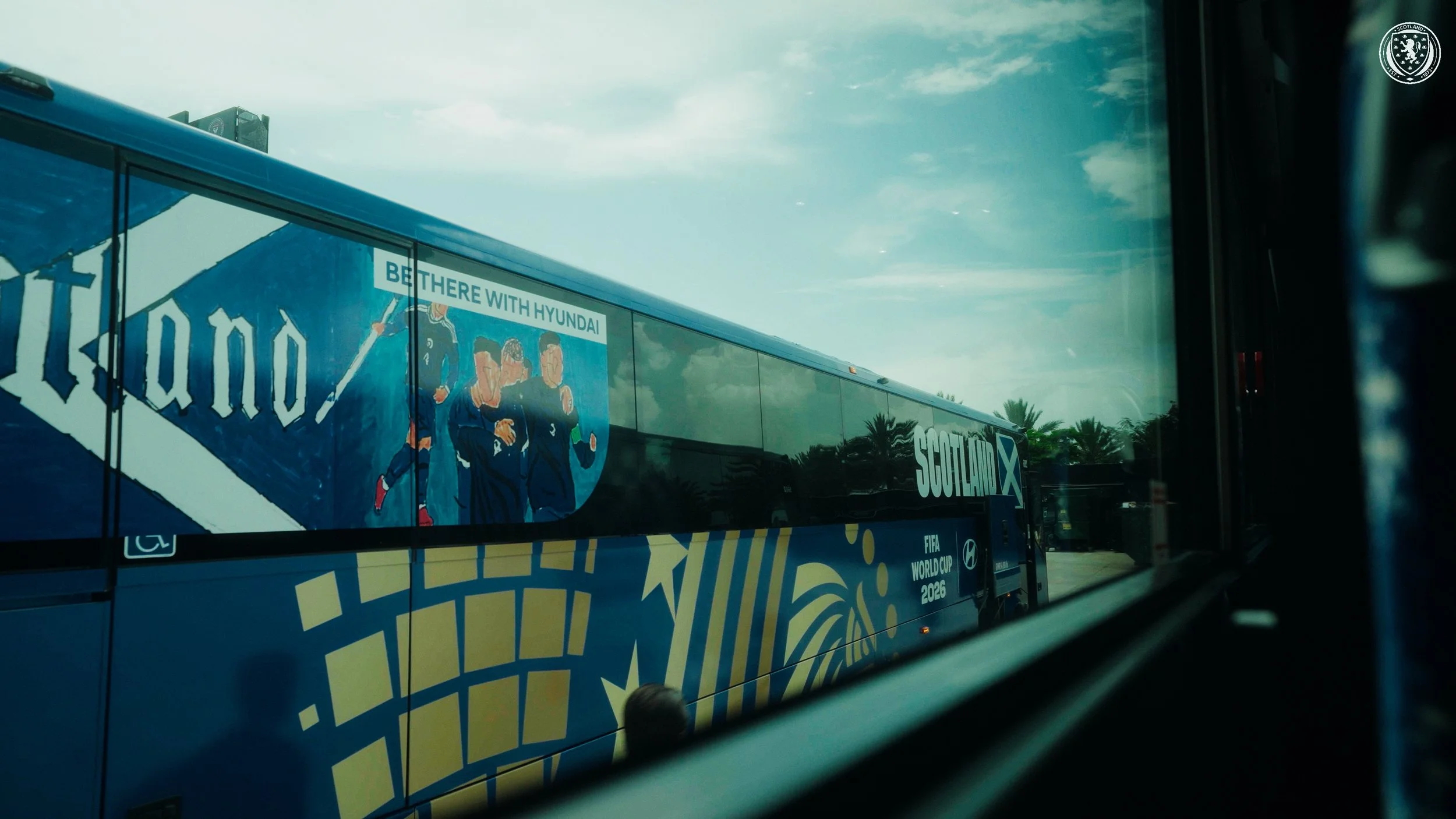
Monumont Studios built and ran a remote post-production hub from Scotland. Footage came in digitally from the camp in Charlotte each morning. Content went out the same day. Every day. For as long as Scotland were in it.
The Operation
Three series ran concurrently throughout the campaign.
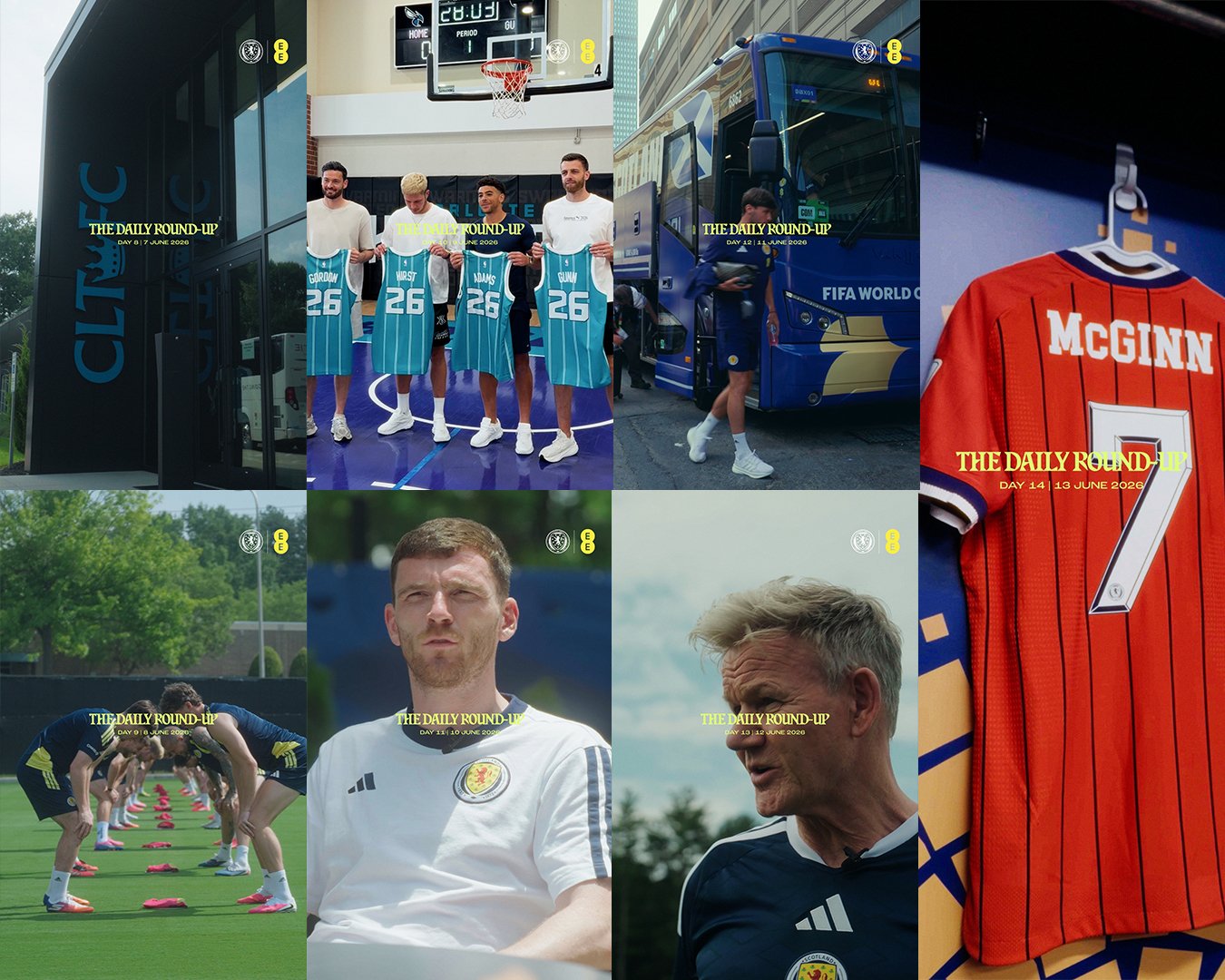
The EE Daily Roundup, presented by Gordon Duncan, gave supporters a behind-the-scenes window into life inside the Scotland camp every single day. Footage arrived from North America each morning and was cut, finished and delivered in Scotland by end of day — without exception, across the full three weeks.
Over The Wall was the long-form YouTube series. The format that gave the Tartan Army the texture and detail that daily content can't carry. More time with the squad, more room for the real character of this group to come through.
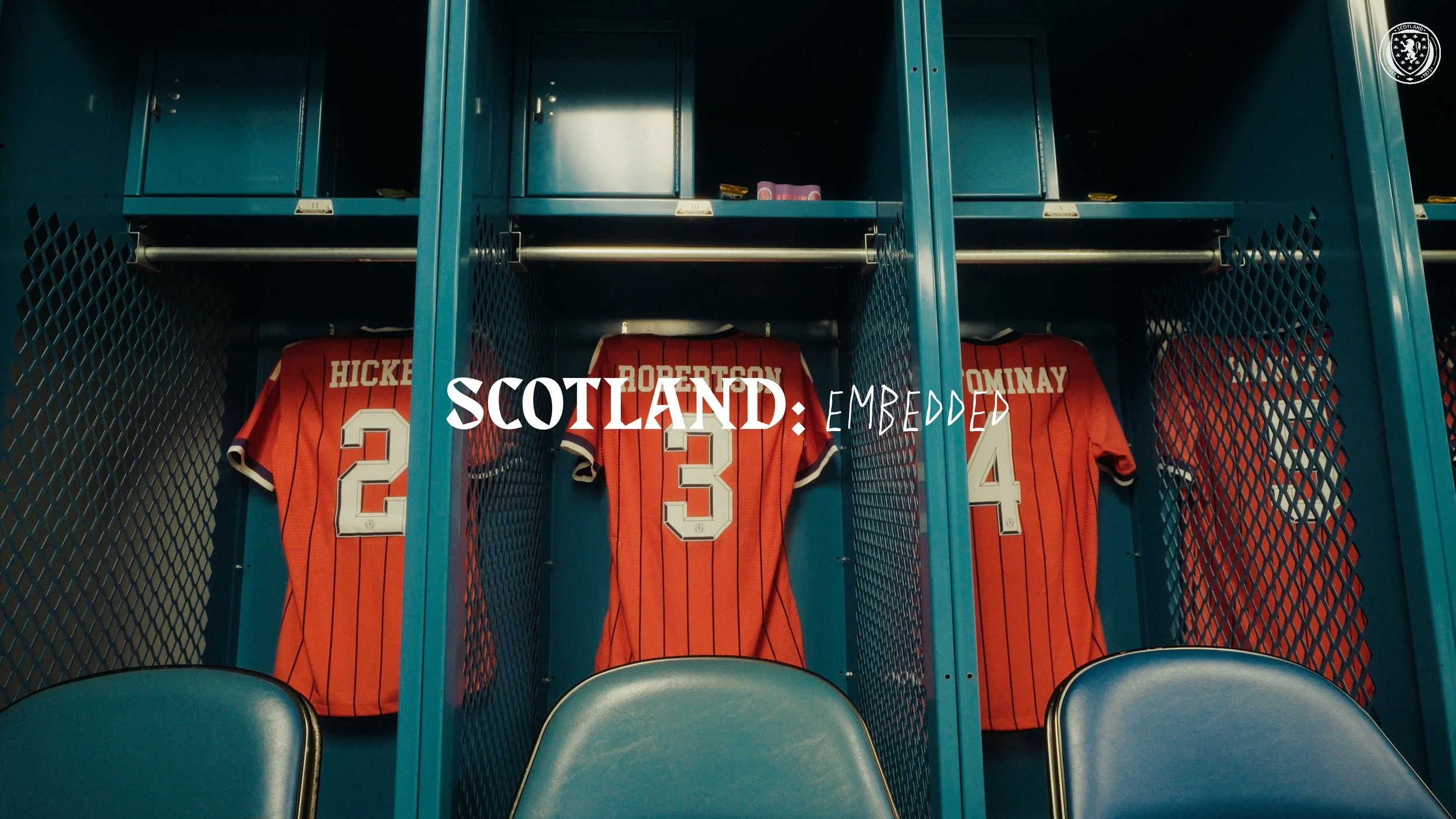
Embedded provided the documentary strand — deeper, more considered pieces that captured the bigger story of Scotland's campaign as it unfolded in real time.
Three formats. Three tones. Three audience behaviours. All produced remotely from Scotland, from one hub, across the same three weeks.
The Moments That Defined It
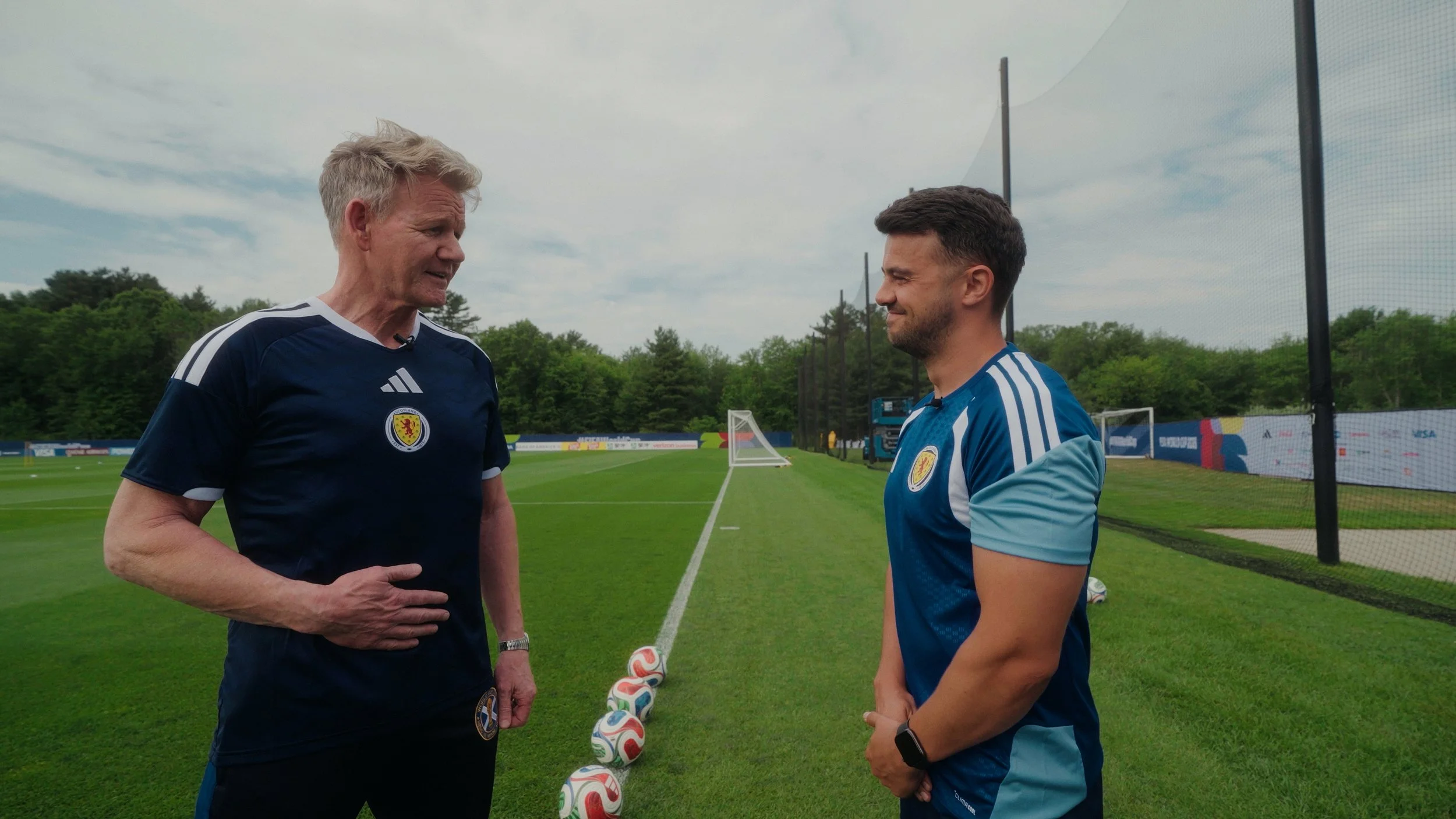
Gordon Ramsay. Charlotte. Under 24 Hours.
In Week Two, Gordon Ramsay arrived at the Scotland training camp in Charlotte 48 hours before the Haiti game. His visit became the centrepiece of an Over The Wall episode that also captured Steve Clarke's pre-match press conference and a full training session in the build-up to Scotland's most important match in a generation.
The window was tight and unforgiving. A celebrity visit to a training camp the day before Scotland's opening World Cup fixture has a shelf life measured in hours. Once the Haiti game kicked off, the moment was gone. The episode had to be planned, cut and live before kick-off — footage in from Charlotte, cut in Scotland, published before the game. Under 24 hours, start to finish.
Billy Gilmour. Boston. Exclusive.
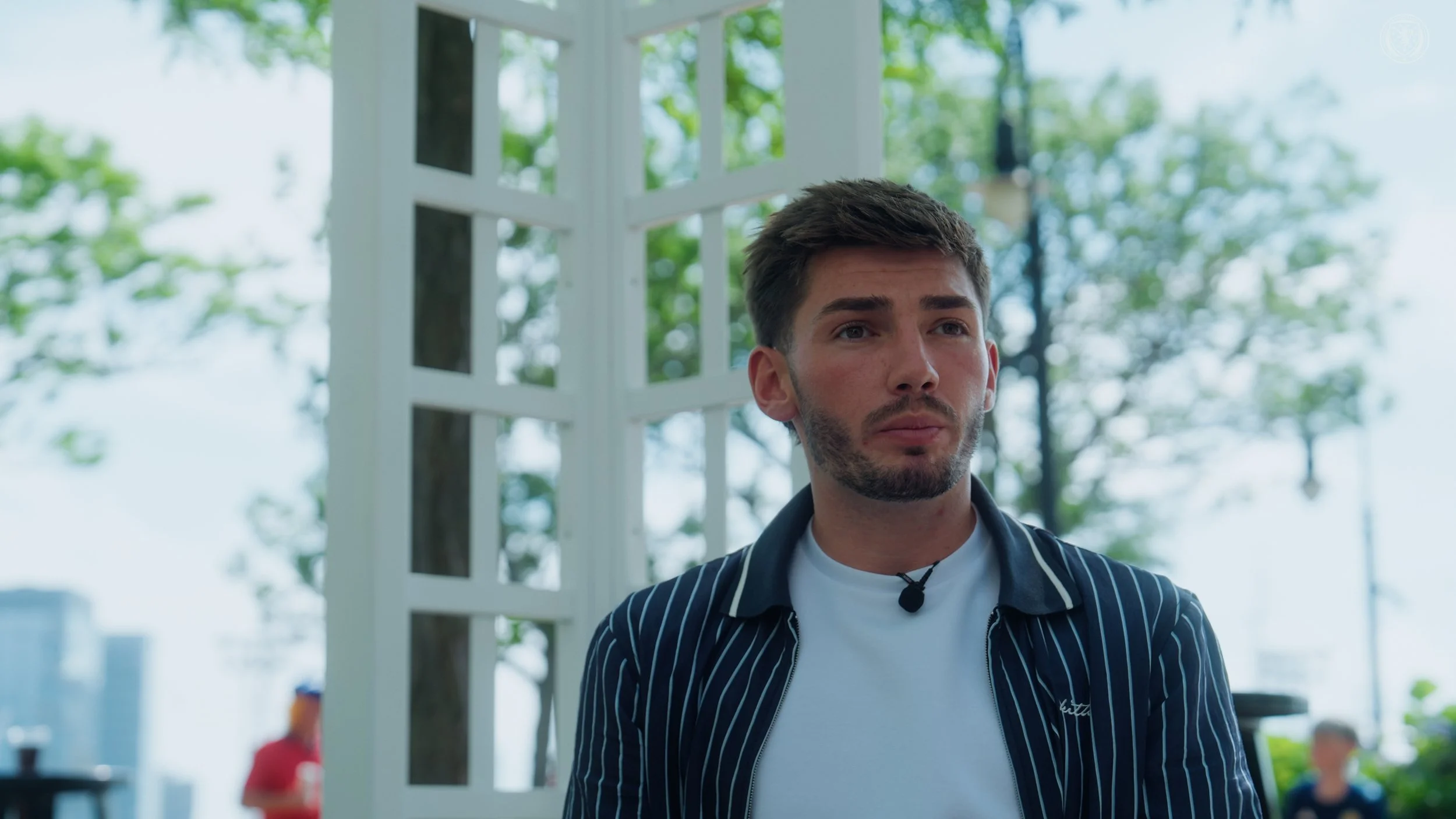
One of the most quietly powerful pieces of the whole campaign came in Week Three, when Billy Gilmour flew to Boston to watch Scotland face Morocco. Not as a squad member. As a supporter. Injury had taken the World Cup from him before it began, and he had made the journey anyway — to be there, to back his teammates, to be part of it in the only way he could.
BIlly GILmour SAT down with the team in Boston. The footage came back to Scotland digitally. The piece was cut as a standalone exclusive and published the day before the Morocco game. A conversation about injury, about missing out on the biggest stage of his career, and about what it means to watch from the stands while your teammates live something you had been working towards for years.
It was a privilege to tell that story. And it is the kind of story that only finds its way to you when you are trusted by the people inside the camp.
The Results
Scotland beat Haiti 1-0. John McGinn, 28th minute, Gillette Stadium, Boston. Their first World Cup win since 1990. The scenes inside that stadium — and in living rooms, pubs and fan zones the length and breadth of Scotland — were something none of us will forget.
Morocco edged a tight second game 1-0 in Boston. A difficult night, a fine margin, and a result that left Scotland needing a result against Brazil to stay in the tournament.
Brazil beat Scotland 3-0 in Miami on 24th June. Vinicius Junior twice, Matheus Cunha third. Scotland were eliminated at the group stage, their campaign over.
The hub produced content through all of it. The euphoria of Haiti, the frustration of Morocco, and the pain of a 3-0 defeat to one of the tournament favourites in a sun-drenched stadium in Miami. That is the full picture of what this campaign was — and every part of it deserved to be documented.
What It Meant to Be Part of This
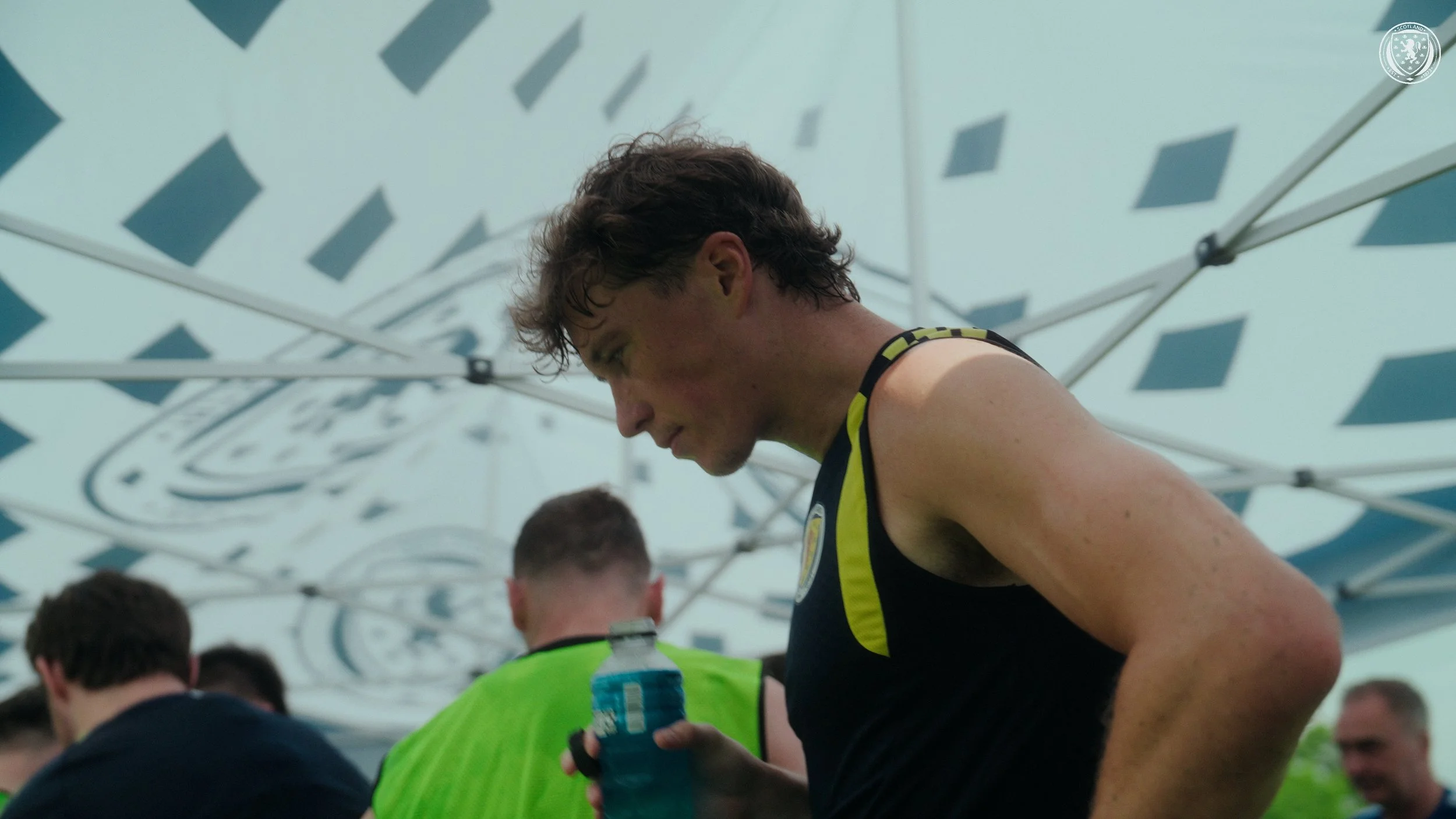
Scotland's return to the World Cup gripped this country in a way that is difficult to put into words unless you were living it. The Haiti win — the first World Cup victory since Italia 90 — produced scenes of joy that this generation of Scotland supporters had simply never experienced before. For a few weeks, the whole country was pointing in the same direction.
We felt every moment of it from our edit suites in Scotland. The footage coming in from Charlotte and Boston, the daily urgency of the Roundup, the care that went into pieces like the Gilmour interview — all of it carried a weight that made the work feel like more than a production job. We were producing content at the centre of one of the most significant moments in Scottish football history. That is not something you take lightly, and it is not something you forget.
It was an absolute honour. For Monumont to be involved in this campaign — thank you. To the Scottish FA and everyone inside the camp who trusted us to tell the story — thank you. And to the Tartan Army, who made this feel like it mattered — we hope we did it justice.
Scotland will be back.
Why This Work Suits Monumont
A post-production hub of this kind is not measured by any single piece of content. It is measured by what it sustains — day after day, across wins and losses, through high profile moments and quiet preparation days, from the opening game to the last.
The remote model Monumont operated for Scotland's World Cup campaign proved something important: that physical proximity is not the deciding factor in production quality. What matters is editorial judgement, format discipline, and the ability to sustain both under the sustained pressure of a live tournament. Speed and quality. Not one or the other. Every day, for three weeks.
If your brand, broadcaster, or rights-holding organisation is planning a major campaign and needs a production partner who can operate at this level — we'd love to talk.